
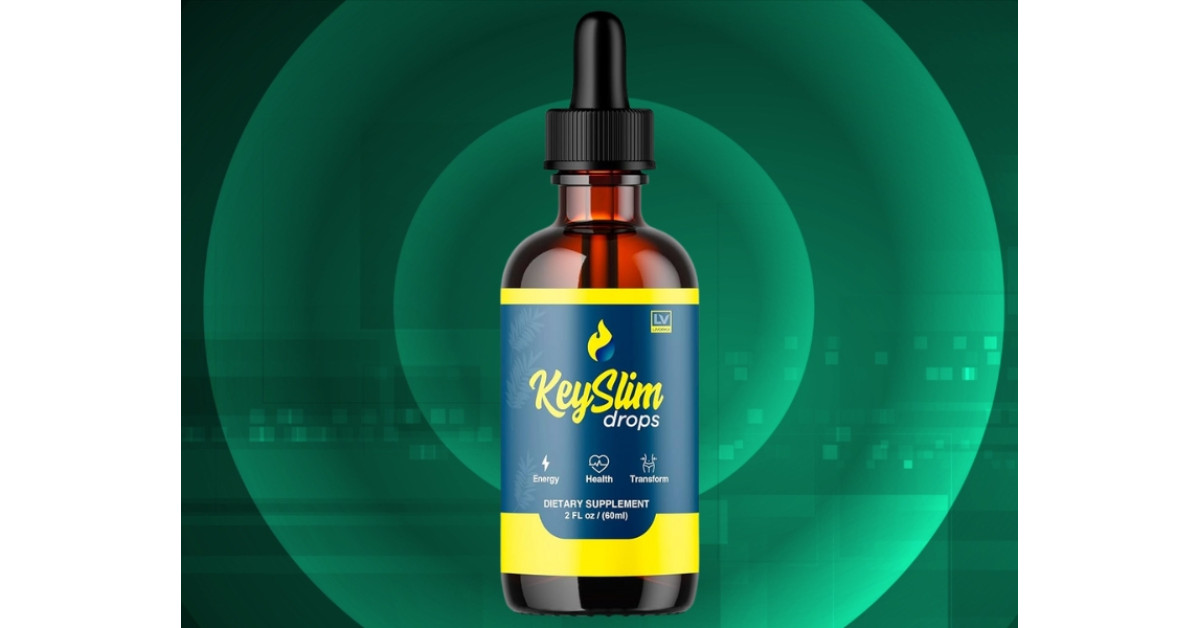
Over the past decade working as a certified nutrition and weight-management coach, I’ve had hundreds of conversations with clients who feel frustrated by slow progress. Supplements are often the first thing they ask about. Recently, several people in my practice have asked me about Keyslim drops reviews, usually after seeing the product mentioned online while searching for ways to control appetite or speed up fat loss.
My job isn’t to dismiss supplements outright, but to help people understand how they actually fit into real weight-loss routines.
A client I worked with last spring is a good example. She came to me after trying multiple diet plans over the years. During one session she pulled out her phone and showed me a few products she had been researching, including weight-loss drops. Her main struggle wasn’t discipline — it was constant evening cravings. After adjusting her meal timing and protein intake, we discussed trying an appetite-support supplement alongside the new plan. Within a few months she noticed that sticking to her calorie target felt easier.
Experiences like that are why I don’t automatically discourage supplements. But I’m also honest about what they can and cannot do.
Most drops marketed for weight management focus on appetite control, metabolism support, or energy levels. In my experience, the biggest benefit tends to be behavioral rather than metabolic. When someone feels fewer cravings, they’re more likely to stay consistent with their eating plan.
Another situation stands out from a consultation I had with a client who works long shifts in healthcare. He was skipping meals during busy days and overeating at night. He asked whether drops alone could solve the problem. My answer was straightforward: supplements rarely fix habits that created the weight gain. We worked on structured meals first, then considered whether adding a product might help with hunger during late shifts.
One mistake I see repeatedly is people stacking several supplements together. Someone might take metabolism boosters, detox teas, appetite suppressants, and fat burners all at once. From a coaching perspective, that approach makes it impossible to know what’s actually helping. I usually suggest introducing one product at a time and paying attention to how your body responds.
Another common misunderstanding involves expectations. I’ve had clients assume drops will produce rapid weight loss in a matter of weeks. Realistically, the clients who see meaningful progress are those who combine tools with consistent habits — regular meals, adequate protein, daily movement, and decent sleep.
There was also a client I worked with a couple of years ago who had already tried nearly every supplement on the market. What finally worked for him was surprisingly simple: tracking his food for a few weeks and adding short walks after dinner. Once those habits stabilized, supplements became optional rather than necessary.
From my professional perspective, products like weight-loss drops can be useful for some people, especially those struggling with appetite control or low dieting energy. But they work best as a support tool rather than the center of a weight-loss strategy.
Over the years I’ve learned that successful weight management rarely comes from a single product. It usually grows from small, consistent adjustments that make healthy routines easier to maintain. Supplements may play a role, but the habits around them determine the outcome.